



Credit and debit remain foundational payment tools, but a striking shift is underway: 60% of consumers now buy gift cards to use themselves, and around one in three say it helps them control their spending. Increasingly, consumers are turning to stored value such as gift cards or loyalty points to establish guardrails and manage spending more deliberately.
These behaviors are reshaping how brands approach customer experience (CX), loyalty, marketing and discovery.
Stored value spending strategies are now habits, not trends
Nearly 90% of consumers we surveyed say they want to receive a gift card, and more than half report saving unused gift cards to help with larger purchases or spread out spending over time. BHN’s research found that around one in four consumers use or plan to cash in loyalty points due to economic concerns.
With stored value usage now part of everyday spending strategies, how people are able to earn, access and spend it is directly impacting CX.
CX is heavily influenced by stored value
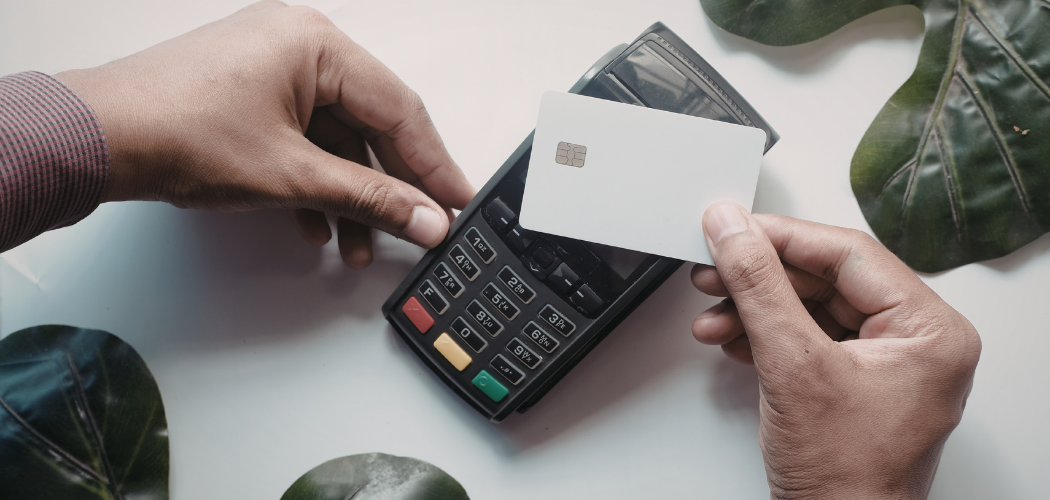
Customer experience often hinges on the final moments of a transaction. Checkout is where convenience, trust and brand perception converge.
When paying is painful, the entire experience will be remembered that way. But when it’s easy and integrates stored value seamlessly, CX is positive and powerful.
Consider a common scenario. A customer reaches checkout, ready to complete a purchase. They know they have loyalty points and a reward somewhere, but the process of finding them, knowing what they’re worth and using them feels messy. The associate can’t easily check the balance or apply both on the same transaction. The customer gets locked out of their loyalty account, which isn’t synced with the point of sale. The entire experience becomes unsatisfactory, and the stored value loses its non-monetary value. Exasperated, the customer just pays another way—the stored value is untouched, and the customer is less inclined to engage next time.
Now imagine a different experience. The customer’s stored value options are visible in-app and at checkout. Gift cards, loyalty points, promotional credits and other forms of stored value can be applied seamlessly in a few taps and help the shopper make the most out of their spending power. The payment process feels smooth and intentional, and the customer leaves having had a positive brand experience that makes them more likely to come back.
That difference matters.
Trapped or unused stored value represents missed opportunities to create positive CX that supports broader strategic goals. Ensuring stored value balances are fully integrated across ecommerce, mobile and in-store environments is no longer a “nice to have.” It’s an essential competitive differentiator.
Loyalty is a living ecosystem
BHN’s January 2026 research found that around two thirds of shoppers exchanged loyalty points for gifts during the 2025 holiday gifting season, with gift cards (another form of stored value) being the top choice ahead of physical items and experiences. Among consumers who redeemed points for gift cards, roughly half used them for gifts and half kept them for personal spending.
More than a quarter of consumers report turning to points because of financial concerns, signaling an opportunity for retailers to treat loyalty as a living ecosystem. In periods of economic strain, loyalty becomes more fragile as budgets tighten. But enabling customers to easily earn, track and redeem their stored value so they can maximize their spending power will pay off and strengthen it.
Stored value usage supports loyalty through long-term engagement that results in higher customer lifetime value (CLV), more frequent purchases and even brand advocacy. It also generates actionable marketing insights at the individual level.
Smarter marketing enhances CX and discovery
Thanks to data available through stored value use, retailers can understand how often a customer redeems points, which incentives they favor and whether promotional credits are used quickly or saved. Each interaction with stored value can help shape future touchpoint opportunities that increase basket size, encourage smooth checkouts and drive more meaningful CX and loyalty.
As more consumers use AI tools to compare prices and search for the best deals and rewards, brands can also leverage stored value to drive discovery. If an AI assistant identifies similar low prices, the impetus in driving action may shift to value beyond the base product. The right stored value incentives such as bonus points, digital gift cards or targeted credits can help boost LLM visibility to new and existing consumers shopping on price alone.
A practical path forward
Economic uncertainty has become a persistent backdrop to consumer behavior and there's no clear sign it's easing.
As a result, shoppers have become and will remain deliberate about how and when they spend. For retailers and brands, stored value offers a practical way to align with that mindset.
When gift cards, points and other digital balances are easy to access and redeem, they support better checkout and brand experiences. When loyalty functions as a flexible second wallet, it strengthens retention and lifetime value. When stored value data informs marketing, it improves discovery and personalization.
Stored value is increasingly central to how customers navigate commerce. Retailers that integrate it thoughtfully into holistic customer experiences will provide a clear, paved path toward better engagement, smoother checkouts and smarter spending.
About the Author

Brett Narlinger is a global commerce expert and CRO at Blackhawk Network (BHN), a global branded payments provider. In his role, he leads and drives growth across Blackhawk’s physical and digital retail businesses globally. Brett is an expert in leading high-performance sales and business development teams, spearheading successful marketing campaigns and driving payments innovation.