



Most loyalty teams are still working out what agentic commerce means for them. AI assistants are quickly becoming a shopper’s first stop for product recommendations, even before they visit any retailer. Sephora has already picked a side in this game.
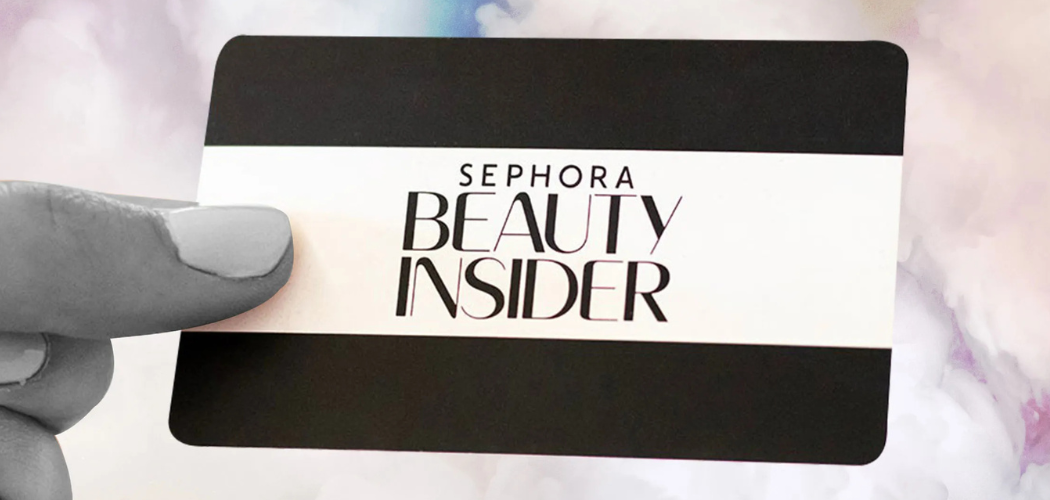
Emmy Brown Berlind, SVP and General Manager of Loyalty at Sephora, recently joined Matt Britton on his Speed of Culture podcast. Berlind’s view is that the growing influence of AI shopping assistance is making a strong loyalty program more valuable.
Berlind has developed her perspective from a powerful position. She runs Beauty Insider, which has more than 46 million members. In all, she has spent over a decade at Sephora working across innovation, content, commerce and loyalty, after earlier roles at Clorox and Yes To.
Recognition over transactions
Beauty Insider is close to 20 years old, and one theme kept coming up in the conversation: members should feel recognized, not just paid back for what they spend. The birthday reward is her clearest example. It began as a single gift and is now a menu of options, including points, because members told Sephora they wanted to choose.
That sounds like a small change, but anyone who has run a program knows it isn’t. Berlind said that client-friendly moves like this one usually needs several departments to coordinate, and she treats pushing for them as part of the job. Early in her time at Sephora she picked up a question that still guides her decisions: “Is this client friendly?”
Challenges as a discovery engine
Beauty Insider Challenges are time-limited tasks that pay out in points. They are personalized from purchase history. For example, a member who has never bought hair care might get a challenge nudging her to try the category. More than 30% of members have joined at least one challenge.
This is gamification aimed at a business goal: getting members into new categories, not just rewarding them for repeating what they already do. Programs that only reward existing habits tend to flatten out, so this mechanic deserves a close look from any serious practitioner.
The store still counts
Berlind argued that physical retail still matters. She pointed to trained beauty advisors, store layouts built for exploration, and sample rewards that let members try products before committing. In her view, stores offer expertise and discovery that digital channels have trouble matching, and loyalty helps connect the two.
AI with restraint
Beauty Insider members account for more than 90% of Sephora’s sales, which gives the brand a very deep pool of first-party data. Berlind is careful about how that data gets used. She said AI should appear only where it makes shopping easier. Tools like Beauty Skin Scan help with shade matching and skincare recommendations, and the AI Beauty Chat is entirely optional.
The goal is convenience, not showing off how much Sephora knows about you. With data privacy getting more attention from regulators and consumers, that is a sensible line to hold.
Going where the shopper is
On agentic commerce, Sephora isn’t assuming every beauty purchase will start on its own website. The retailer has an app inside ChatGPT and a Google Agentic Checkout partnership, so shoppers can buy without leaving those platforms.
The thinking is simple: stay relevant wherever the shopper starts.
The Wise Marketer’s take
The Sephora story teaches us about how brands can interact with AI shopping agents to win, avoiding the risk of disintermediation.
If an AI agent is deciding what to recommend before a shopper ever reaches a brand, the program that holds the richest data and the strongest emotional relationship has the advantage. Points alone won’t keep anyone loyal when a chatbot can compare prices in seconds. Recognition, discovery and real usefulness have a much better chance.
Sephora is betting that a program built on those attributes can follow its members into ChatGPT and still matter when they get there. Most loyalty leaders would do well to make the same bet.